Sign in to continue your training.
Don't have an account?
Forgot your password?
Exploring for your organization?
Sales demo — full platform, no account needed
Your information is stored securely and used only for training purposes.
Already have an account?

Pick where you want to go. Restart the full training from slide one, or jump straight into the live Lab to practice scenarios. Your XP, level, and lab credits stay with you.

🔒 Automatically signed out when this tab closes — your data stays private.
NyxCodex™ — Training Management
Configure branding, certification, and reminders for this organization.
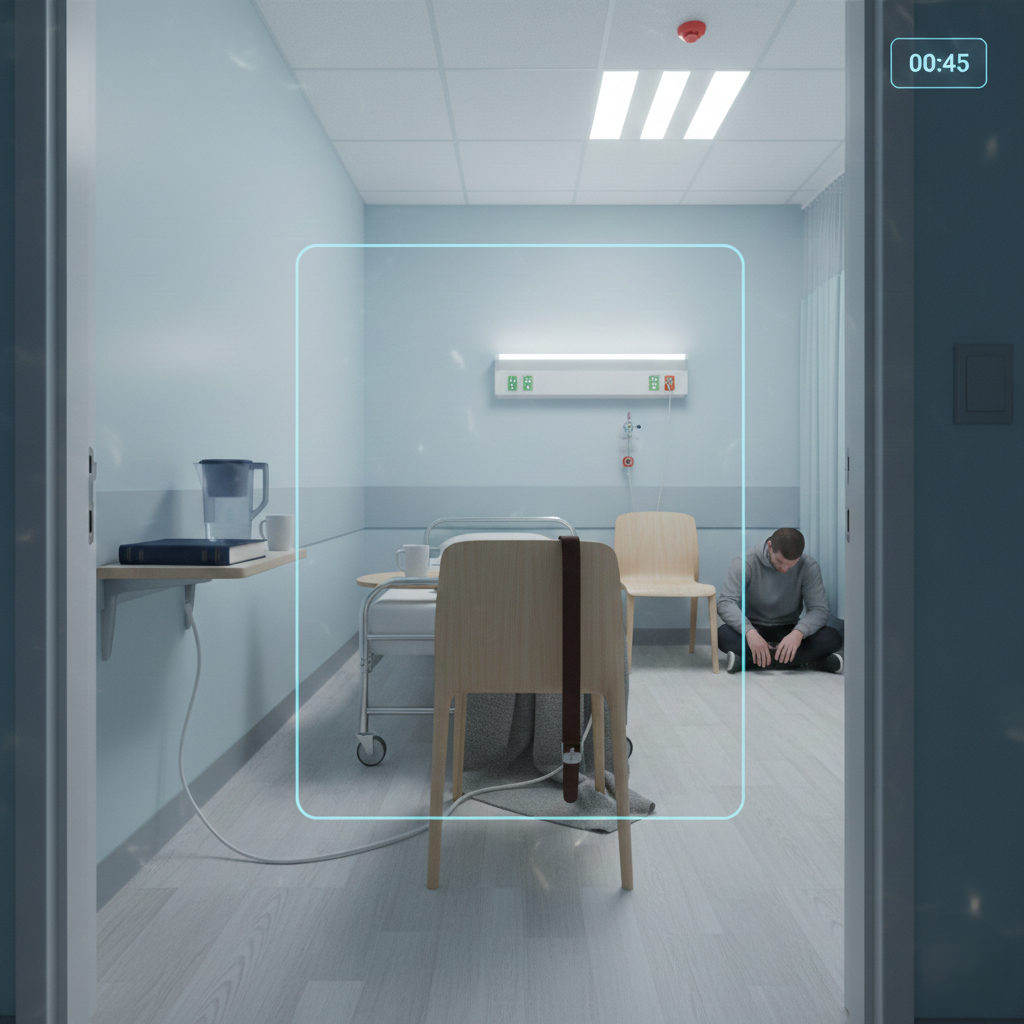
Earn Lab Credits by running live de-escalation scenarios.
—
Describe a real or practice incident. Dr. Rivera will review it and provide structured clinical feedback.
Generate a realistic roleplay script for a team huddle or training drill from any scenario topic.
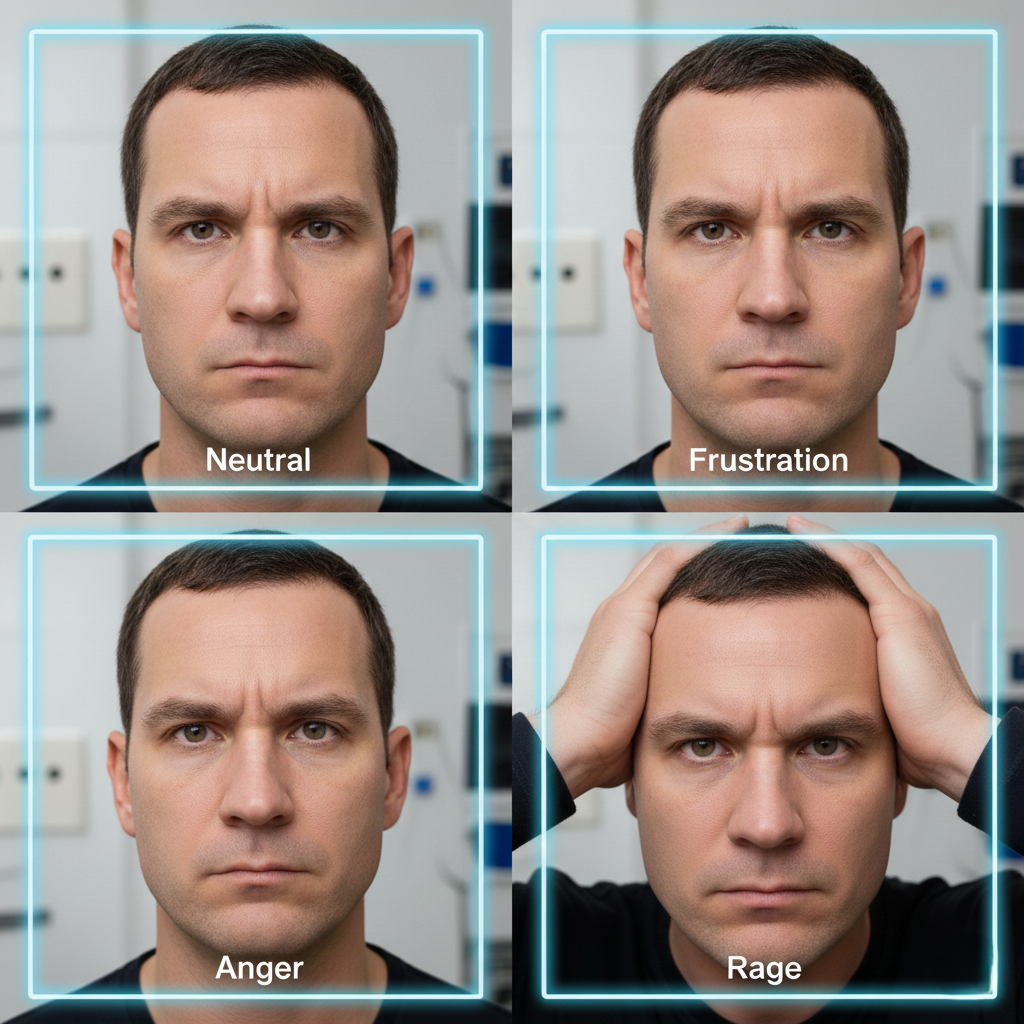
You have 3 seconds to identify Marcus's emotion. React faster than he escalates.
One skill card — one scenario — keep your streak alive
Your streak is safe. Come back tomorrow to keep it going.
Loading…
Back…
Checking your access level—
🚫 Access Denied
Your account does not have admin privileges. Contact your Owner administrator.
⚙️ First-Time Setup
No admin accounts exist yet. Claim the Owner role for your account now.
First Name
—
Last Name
—
Work Email
—
Mobile Phone
—
Job Title
—
Department
—
Employee ID
—
Training Year
—
0
XP Earned
1
Level
0
Scenarios
0
Lab Credits
—
Redeem Tier
Loading your training profile…
Taking longer than usual — tap here to reload
Click anywhere outside or press Esc to close
Pick how you want to continue.
Current links from YouTube/Facebook; swap with internal clips anytime.
Short clip illustrating calming tone and slow pacing during initial contact.
Body positioning and teamwork during an escalating interaction.
Example scripting that stays consent-focused and avoids re-traumatization.
Quick-hit reminders for tone, posture, and choice-offering.
Mastery Lab — NyxCodex™
© 2026 NyxCodex® · Nyx Collective LLC — All Rights Reserved — Clinical Training Platform
Welcome,
You're about to complete evidence-based training modules covering de-escalation, crisis intervention, psychiatric diagnosis recognition, and real-time scenario practice. Let's build your clinical confidence.
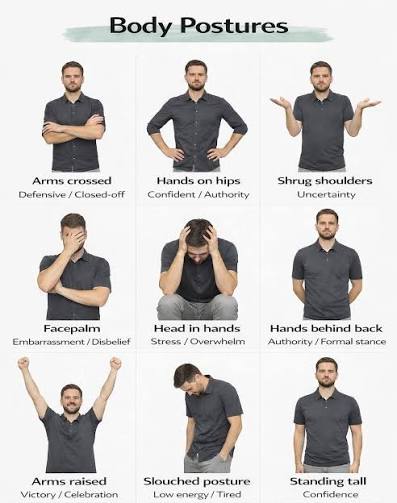
55% of communication is body language. 38% is tone. Only 7% is the actual words.
When a person is in crisis, their prefrontal cortex (logic) goes offline and the amygdala (threat-detection) takes over. Your body language is processed as threat/safe data in milliseconds — before you say a single word. A non-threatening physical presence is your most powerful tool.
Invading personal space activates the fight-or-flight response instantly.
⚠️ Never enter without invitation. Reserved for medical necessity only — always explain first: "I need to check your arm."
⚠️ High anxiety during crisis. Use for assessments with trusted rapport only.
IDEAL for de-escalation. Professional, safe, non-threatening. Start here always.
Too distant — feels dismissive. Use for group settings or initial approach only.
38% of emotional communication comes from tone alone. Not what you say — how you say it.
Low Pitch
Lower frequencies signal calm and safety to the limbic system
Slower Pacing
Rushed speech signals anxiety; slow = safe
Quieter Volume
Speak softer than them — they'll match you
Neutral Affect
No excitement, no judgment — steady and warm
High Pitch / Loud
Triggers alarm — sounds like threat or panic
Rapid Speech
Feels urgent/anxious; escalates their nervous system
Overly Cheerful
Dismissive — invalidates their real pain
Heavy Emotion
Emotions are contagious — frustration breeds frustration
The two most powerful de-escalation tools. They cost nothing and work every time.
"Your feelings are real and make sense, even if I don't fully understand the situation."
WHY IT WORKS:
Validation signals to the amygdala that the threat is acknowledged — not dismissed. This begins the neurological shift from fight-or-flight back to reasoning mode.
EXAMPLE PHRASES:
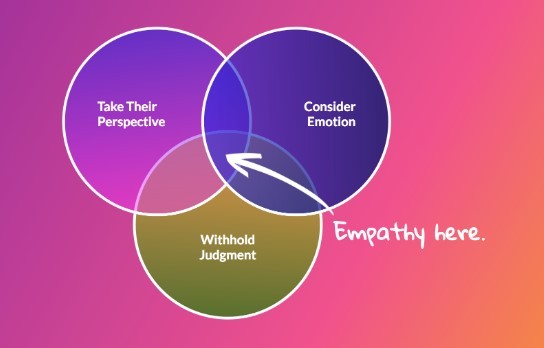
Sympathy ?
"At least you have family who loves you..."
(minimizes)
Empathy ?
"It sounds like you're carrying a lot right now. I'm here."
(connects)
HOW TO SHOW IT:
Most people listen to reply. Your job is to listen to understand.
Mirror back what you heard in your own words — not parrot-style.
"So what I'm hearing is — you feel like nobody is taking you seriously. Is that right?"
Questions that can't be answered with yes/no open dialogue.
? "What would help you feel safer right now?"
? "Help me understand what happened."
? "Did you take your meds?"
5 seconds of silence feels like 30 to a distressed person. Resist filling it.
After asking a question, count silently to 10 before speaking again. They will fill the silence — and that's where truth lives.
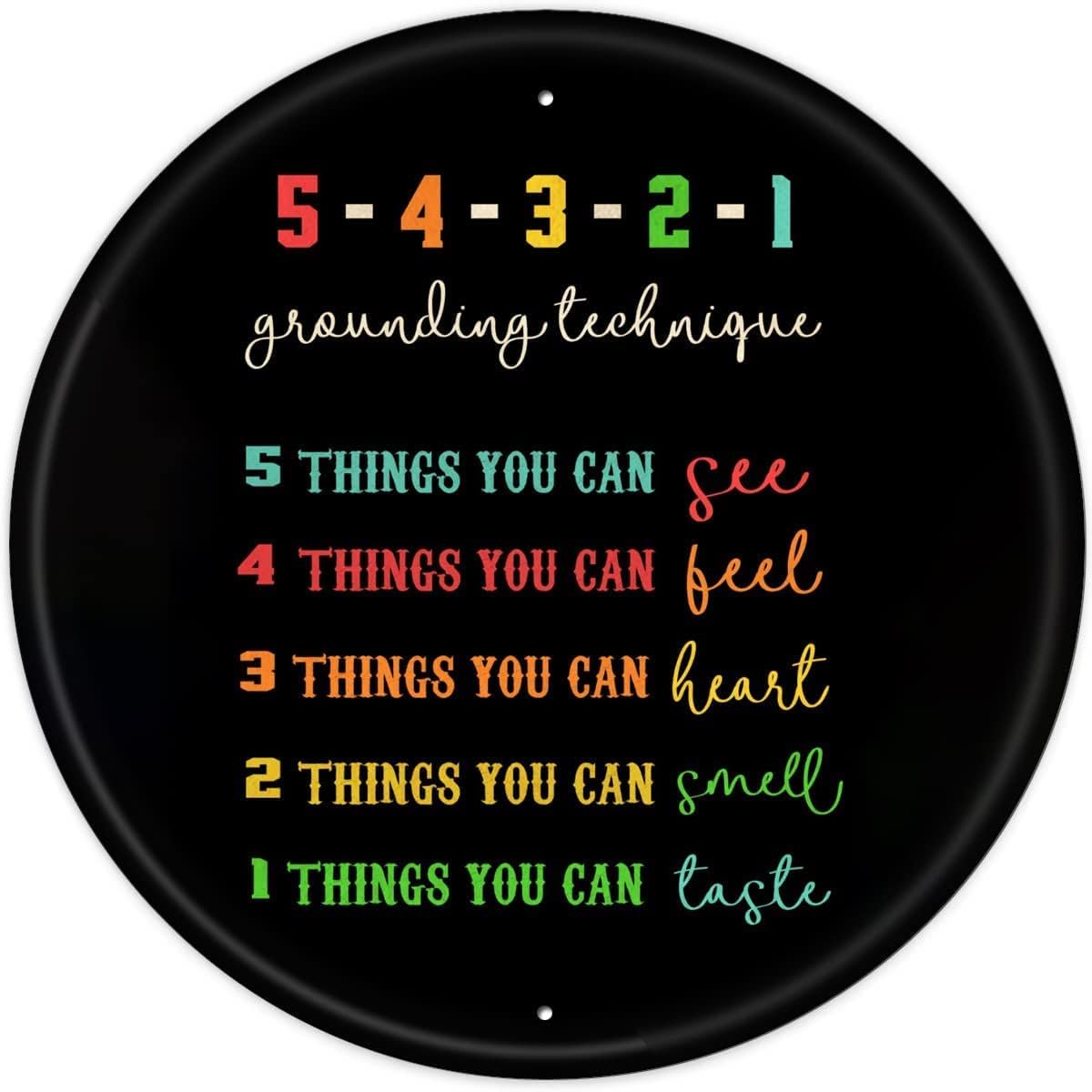
When a patient is trapped in their mind — bring them back to their body. Takes 2 minutes.
Name 5 things you can see right now
Feel 4 different textures around you
Identify 3 distinct sounds near and far
Notice 2 scents: coffee, soap, air
One taste — water, food, mint, etc.
How to guide a patient through this: Speak slowly, pause between each step. "Can you look around and tell me one thing you see? Just one." — Each answer is a micro-victory that builds momentum away from crisis.
Used by Navy SEALs, ER nurses, and crisis counselors worldwide. Activates the parasympathetic nervous system in 60 seconds.
Click the box to begin a guided round
Step 1 — Inhale
4 Counts
Slow, fill from belly to chest
Step 2 — Hold
4 Counts
Hold at the top — stay still
Step 3 — Exhale
4 Counts
Slow exhale — release tension
Step 4 — Hold
4 Counts
Empty pause before next cycle
Sensory input can reset the nervous system faster than any verbal intervention.
Vagus Nerve Activation
Cold on face/wrists triggers the dive reflex — instantly slows heart rate and activates parasympathetic response. Fastest biological de-escalator available.
Sensory Interrupt
A sudden intense taste/smell breaks the rumination loop. Lemon candy, sour gummy, strong peppermint — pulls attention forcibly to the present moment.
Proprioceptive Input
Weighted blankets, firm hand squeeze (with consent), or pressing feet firmly to floor — activates proprioceptors and signals bodily safety to the CNS.
Auditory Regulation
Low-frequency calm music or white noise can reduce cortisol. Avoid silence in high-tension rooms — offer a quiet familiar sound if available.
Tactile Focus Tool
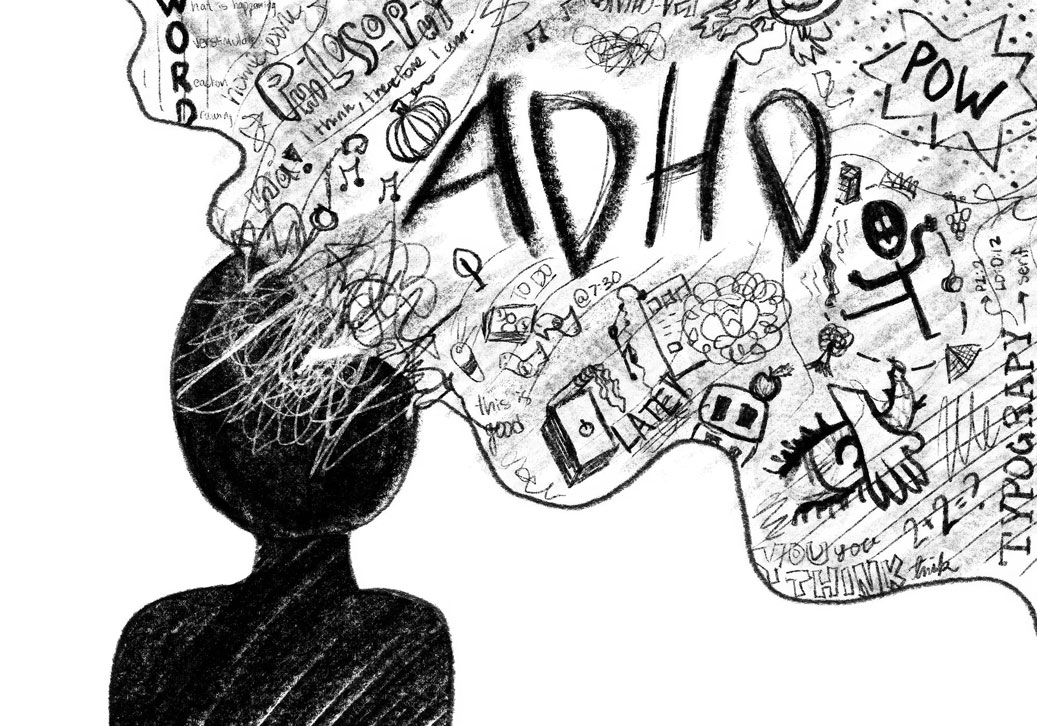
Silly putty, rubber band, stress ball — gives the nervous system a safe outlet for excess energy. Particularly effective with ADHD and Autism presentations.
Mindful Anchor
Slow exhale longer than inhale (4 in, 6 out) reliably activates the vagal brake. Combine with a visual focus point for maximum effect.
Behavior signals tell you exactly where someone is. Match your intervention to their stage.
Normal Behavior
Calm, cooperative, engaged. Normal verbal interaction. No warning signs present.
YOUR ROLE:
Build rapport, establish trust, maintain positive therapeutic relationship. Prevention is here.
Early Signs of Distress
Pacing, raised voice, restlessness, withdrawal, increasing demands, short answers.
YOUR ROLE:
Acknowledge, offer space, use empathy. Remove the trigger if possible. "I can see something's wrong — I'm here."
Active Distress
Yelling, crying, swearing, threatening gestures, property destruction, refusing direction.
YOUR ROLE:
Limit commands. Validate heavily. Offer choices. Reduce audience. Call for support — don't handle alone if escalating.
Loss of Control
Physical aggression possible. Throwing objects, charging, self-harm. Rational communication is not possible.
YOUR ROLE:
Safety first. Do NOT debate. Back away, give space, call code if needed. Verbal de-escalation is secondary to physical safety here.
Post-Crisis State
Emotional exhaustion, shame, remorse, vulnerability. This is a critical therapeutic window.
YOUR ROLE:
Non-judgmental presence. No debriefing immediately. "I'm glad you're okay. We don't have to talk now." Reconnect when calm.
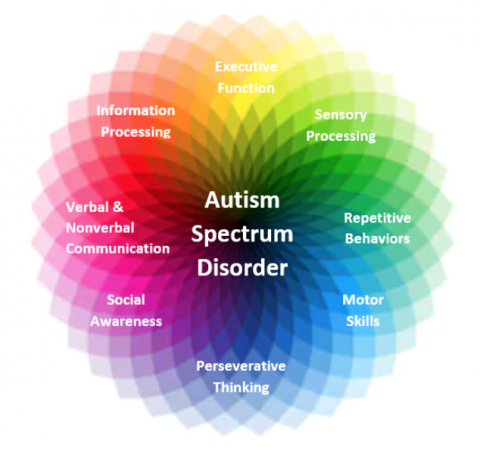
Neurodivergence, not defiance. Different sensory wiring — not behavioral choice.
AVOID
"Take a chill pill"
"Give me some space"
"Stop acting out"
USE INSTEAD
"Please sit in the blue chair now"
"I will be back in 5 minutes"
"That behavior is not allowed here"
Executive dysfunction is neurological, not laziness. The brain genuinely cannot regulate attention and impulse without support.
AVOID
"How hard is it to just sit still?"
"Why can't you listen?"
"You're being disruptive"
USE INSTEAD
"Let's take a quick walk to reset"
"One thing: sit in that chair"
"I noticed you're having a hard time — want to move rooms?"
Their experience is 100% real to them. Never debate the content of psychosis — engage the person, not the delusion.
NEVER SAY
"That's not real"
"The voices aren't there"
"You're imagining it"
SAY INSTEAD
"That sounds really frightening"
"I don't hear what you hear, but I believe you feel scared"
"I'm right here. You are safe."